
Blog Detail
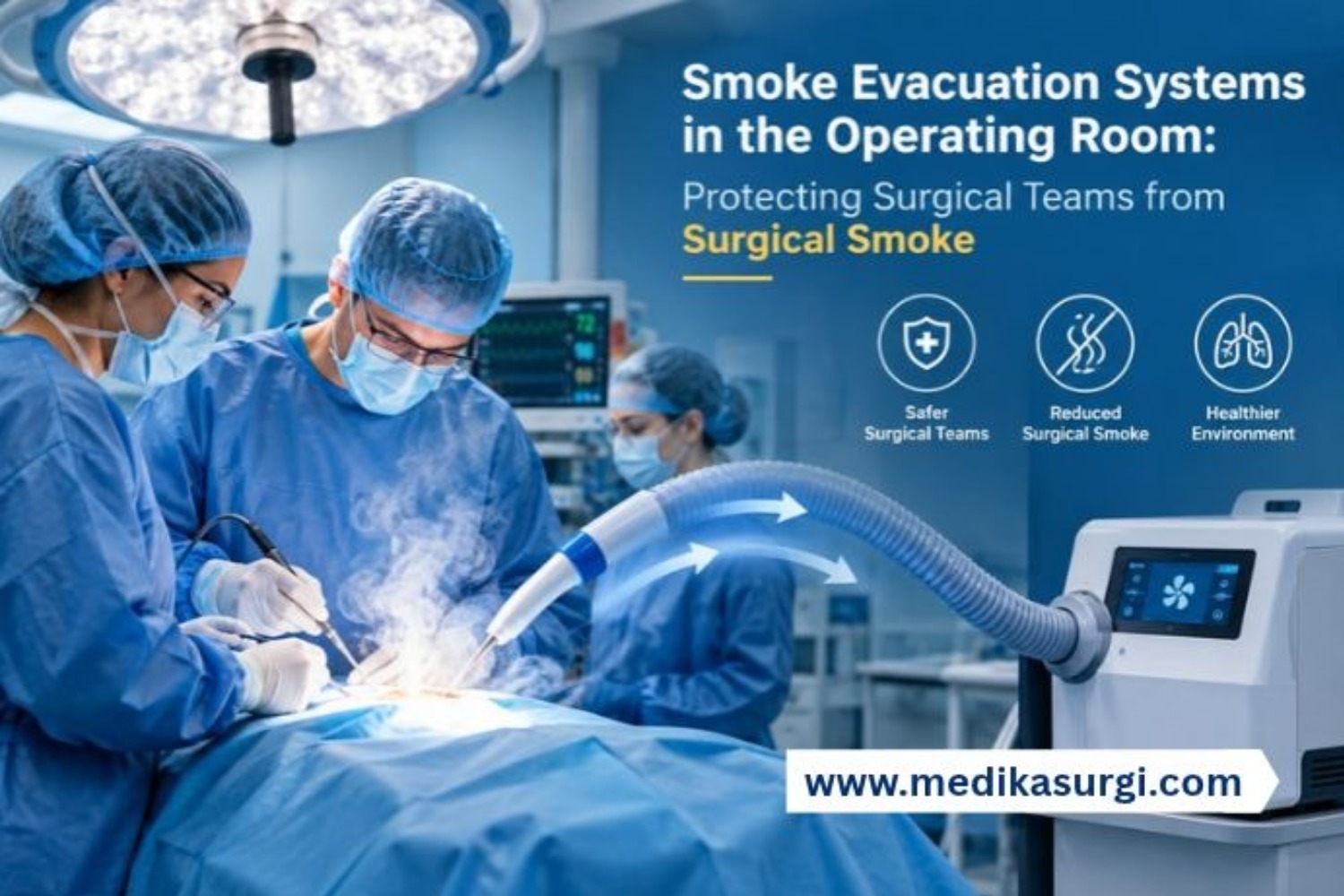
Smoke Evacuation Systems in the Operating Room: Protecting Surgical Teams from Surgical Smoke
Modern surgery uses many advanced tools and devices. Some of these devices use heat, electricity, laser energy, or other forms of energy to cut tissue, seal blood vessels, or remove tissue.
These procedures can produce smoke, known as surgical smoke or surgical plume.
Surgical smoke can spread through the operating room and may contain fine particles, gases, and other unwanted substances. It can also create unpleasant smells and make the surgical area harder to see.
This is why surgical smoke evacuation is an important part of operating room safety and smoke management.
Smoke evacuation systems are designed to capture smoke close to where it is produced and remove it from the working area. This can help provide a cleaner and more comfortable environment for surgeons, nurses, technicians, and other operating room staff.
What Is Surgical Smoke?
Surgical smoke is the visible smoke or plume produced when surgical instruments use heat, electricity, laser energy, or other energy sources on body tissue.
The amount of smoke produced can vary depending on the type of surgery, tissue being treated, and surgical equipment being used.
Surgical smoke may:
- Make it harder to see the surgical area clearly
- Create unpleasant smells
- Spread small particles into the operating room air
- Cause irritation to the eyes, nose, or throat
- Make the operating room less comfortable
Because surgical teams may spend many hours inside operating rooms, proper surgical smoke management is an important consideration.
What Are Smoke Evacuation Systems?
Smoke evacuation systems are medical devices designed to capture and remove smoke produced during surgery.
Instead of allowing smoke to spread around the operating room, these systems capture it near its source and move it through a filtration or evacuation system.
A typical smoke evacuation system may include:
- A smoke capture device
- Tubing
- A suction or evacuation unit
- Filters
- Different accessories for different procedures
The exact setup can vary depending on the type of surgery, surgical equipment, and operating room requirements.
Why Is Surgical Smoke Removal Important?
Surgical smoke can spread quickly when it is not properly controlled. This may affect the working environment for surgeons, nurses, technicians, and other operating room staff.
Effective surgical smoke removal helps capture smoke before it spreads throughout the room.
Better Visibility
Smoke around the surgical area can make it difficult to see clearly. Capturing smoke close to the source can help maintain better visibility during a procedure.
Cleaner Working Environment
A smoke evacuator for operating room use can help remove smoke and particles produced during certain surgical procedures.
More Comfortable Operating Room
Surgical smoke can create strong odors and may cause irritation. Proper smoke evacuation can help create a more comfortable working environment.
Better Smoke Management
Using the right smoke evacuation equipment can be an important part of a hospital's overall surgical smoke management practices.
How Does a Surgical Smoke Evacuator Work?
A surgical smoke evacuator uses suction to capture smoke and move it away from the surgical area.
The process is generally simple:
- Smoke is produced during surgery.
- The smoke is captured near the surgical site.
- Suction pulls the smoke through connected tubing.
- Filters collect particles and other unwanted substances.
- The filtered air is handled according to the equipment design and operating room requirements.
Capturing smoke close to where it is produced is important because it helps reduce the amount of smoke that spreads into the surrounding air.
Types of Smoke Evacuation Solutions
Different surgeries may require different smoke evacuation solutions. Hospitals and healthcare facilities can choose equipment based on their procedures and operating room setup.
Portable Smoke Evacuators
Portable smoke evacuators can be moved between operating rooms when needed. They can be useful for healthcare facilities that need a flexible smoke evacuation solution.
Integrated Smoke Evacuation
Some surgical equipment can be used together with smoke evacuation accessories or systems. This can make smoke capture easier during certain procedures.
Procedure-Specific Solutions
Different surgical procedures can produce different amounts of smoke. Because of this, the required capture device, tubing, filters, and accessories may vary.
Choosing the right setup can help provide effective smoke management for each procedure.
RapidVac Smoke Evacuator
The RapidVac smoke evacuator is a smoke evacuation solution designed for surgical smoke management.
Equipment such as this can help capture and manage smoke produced during surgical procedures.
Before selecting a smoke evacuation system, healthcare facilities should consider important factors such as:
- Suction performance
- Filtration system
- Noise level
- Ease of use
- Filter replacement requirements
- Compatibility with surgical equipment
- Available accessories
- Operating room requirements
The right solution will depend on the type of procedures performed and the needs of the healthcare facility.
What to Consider When Choosing an OR Smoke Evacuation System
Choosing the right OR smoke evacuation system is important for effective smoke management. Hospitals should consider both the surgical procedure and the operating room setup.
1. Smoke Capture
The system should be able to capture smoke as close as possible to where it is produced.
2. Filtration
Check the type of filter used by the system and make sure it meets the facility's requirements.
3. Easy to Use
Operating room staff should be able to set up and operate the equipment easily.
4. Noise Level
A noisy evacuation system may make communication more difficult inside the operating room. Noise level should therefore be considered when choosing equipment.
5. Maintenance
Filters and other parts may need regular replacement or maintenance. Healthcare facilities should understand these requirements before selecting a system.
6. Compatibility
The smoke evacuation system should be suitable for the surgical instruments and accessories being used.
Smoke Evacuation vs. General Room Ventilation
Smoke evacuation and operating room ventilation are not the same thing.
General room ventilation manages the overall movement and quality of air inside the operating room.
A smoke evacuation system has a more specific purpose. It captures surgical smoke close to where it is produced and removes it from the working area.
A dedicated operating room smoke evacuation system can therefore be an important part of a complete surgical smoke management approach.
Benefits of Using Smoke Evacuation Systems
Using suitable smoke evacuation systems can provide several practical benefits in operating rooms.
These include:
- Helps remove surgical smoke from the working area
- Supports better visibility during procedures
- Helps reduce unwanted smoke and odors
- Supports a cleaner working environment
- Helps with surgical smoke management
- Can improve comfort for operating room staff
- Provides a focused way to manage surgical smoke
The results can depend on the equipment, surgical procedure, system setup, and correct use.
Best Practices for Surgical Smoke Management
A smoke evacuation system works best when it is used correctly as part of an overall smoke management plan.
Operating room teams can follow these simple practices:
- Keep the smoke capture device close to the smoke source.
- Use the correct tubing and accessories.
- Follow the manufacturer's instructions.
- Replace filters as recommended.
- Check the equipment before each use.
- Train operating room staff on how to use the system correctly.
- Select equipment based on the surgical procedure.
- Include smoke management in operating room safety practices.
These steps can help make surgical smoke evacuation more effective.
Frequently Asked Questions
1.What are smoke evacuation systems?
Smoke evacuation systems are medical devices used to capture and remove smoke produced during surgery. They commonly use suction and filtration to manage surgical smoke.
2.Why is surgical smoke removal important?
Surgical smoke can affect visibility, create unpleasant odors, and make the operating room less comfortable. Surgical smoke removal helps capture and control smoke near its source.
3.What is a surgical smoke evacuator?
A surgical smoke evacuator is a device that uses suction to capture smoke produced during surgery. It may also use filters to collect particles from the smoke.
4.What is a smoke evacuator for operating room use?
A smoke evacuator for operating room use is designed to capture and manage smoke created during surgical procedures. The right system depends on the type of procedure and operating room setup.
5.What is OR smoke evacuation?
OR smoke evacuation means capturing and removing surgical smoke from an operating room. This is usually done with dedicated smoke evacuation equipment.
6.Is a smoke evacuation system the same as room ventilation?
No. Room ventilation manages the overall air movement in the operating room, while a smoke evacuation system focuses specifically on capturing surgical smoke close to where it is produced.
7.What is a RapidVac smoke evacuator?
A RapidVac smoke evacuator is a smoke evacuation solution used to help manage surgical smoke. Healthcare facilities should check the product specifications, features, and compatibility before selecting the equipment.
8.How can hospitals choose the right smoke evacuation system?
Hospitals can consider factors such as smoke capture, filtration, suction performance, noise level, maintenance, accessories, equipment compatibility, and the types of procedures performed in the operating room.
Conclusion
Surgical smoke can be produced during procedures that use heat, electricity, laser energy, or similar technologies. If the smoke is not properly managed, it can affect visibility, create unwanted odors, and make the operating room less comfortable.
Smoke evacuation systems provide a practical way to capture and remove surgical smoke close to its source.
With the right equipment, proper setup, regular maintenance, and staff training, healthcare facilities can support effective surgical smoke management.
From portable smoke evacuators to dedicated operating room smoke evacuation systems, different solutions are available for different surgical needs.
The right choice depends on the operating room setup, surgical equipment, and procedures being performed.
Looking for Surgical Smoke Evacuation Solutions?
Medikasurgi provides medical and surgical equipment solutions for healthcare professionals and operating rooms.
If you are looking for a suitable surgical smoke evacuation solution, explore the available products and contact the Medika Surgi team to learn more about the options that may meet your requirements.
Visit Medikasurgi to learn more about surgical smoke evacuation and operating room solutions.